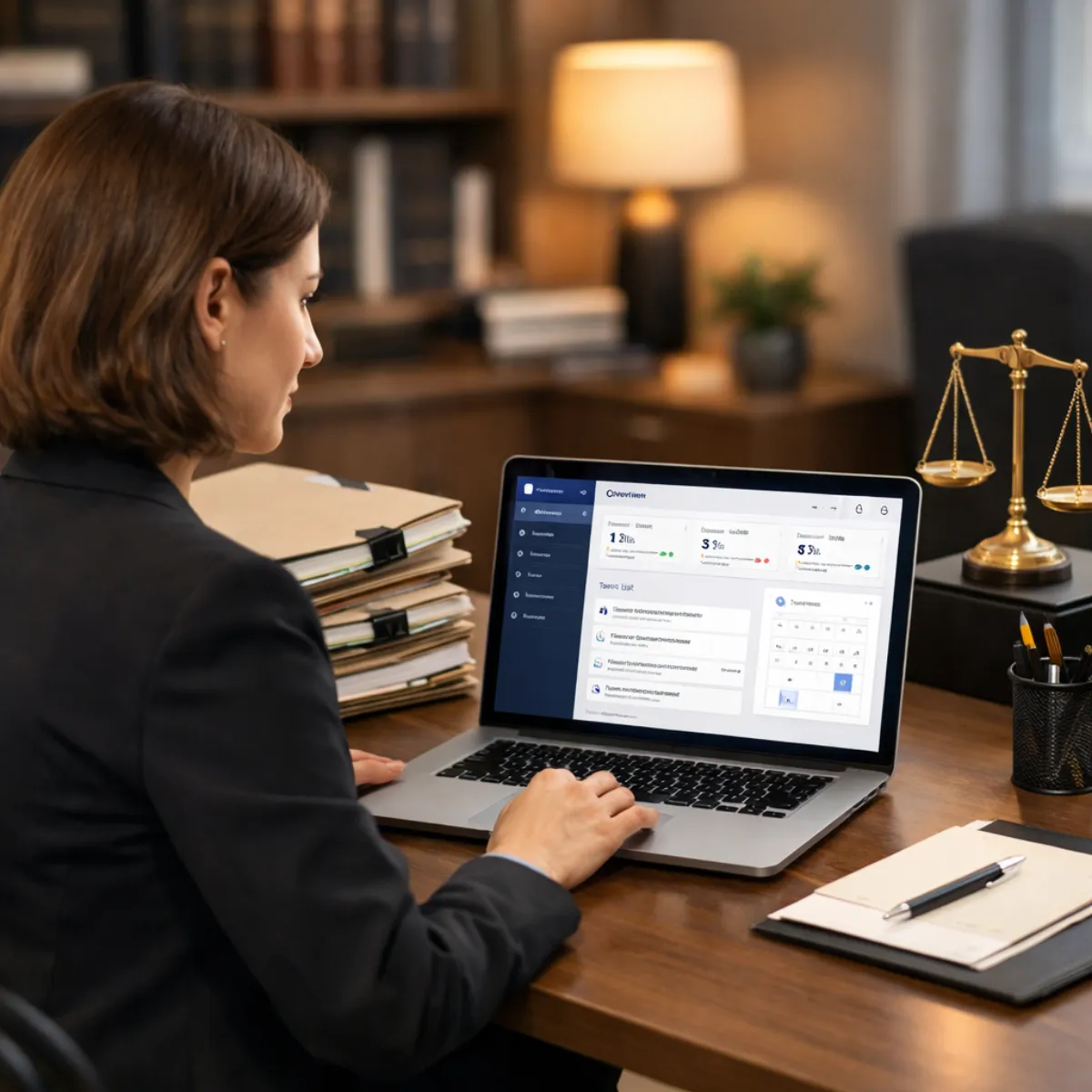


When teams share a medical chronology with co-counsel, forward a deposition summary to an expert, or prepare an IME packet, PHI often travels across multiple systems. One unsecured handoff can introduce compliance gaps, client concerns, and avoidable risk.
A secure workflow doesn’t require complex infrastructure. With a few baseline safeguards and clear access principles, litigation and med-legal teams can exchange summaries confidently without slowing down case work.
Why Standard File Sharing Falls Short
Many teams rely on email attachments, shared drives, or open cloud links. They feel convenient but leave gaps in PHI protection.
Common weaknesses:
- Unencrypted transmission - Email often sends files in plain form.
- Persistent access - Cloud links stay active long after a case closes.
- No verifiable ownership - Without logs, you cannot prove who accessed what.
- Shared credentials - When multiple staff share an account, accountability disappears.
Even when a firm is not formally a HIPAA business associate, clients expect HIPAA-level safeguards. For a complete rundown of what HIPAA requires and where law firms fit in, see our HIPAA-compliant medical chronologies checklist. Treat every summary handoff as if a compliance review may happen.
Core Safeguards: What Actually Protects PHI
Three technical controls form the baseline for secure summary sharing. These are not optional, they directly reduce exposure risk.
1. Encryption at Rest and In Transit
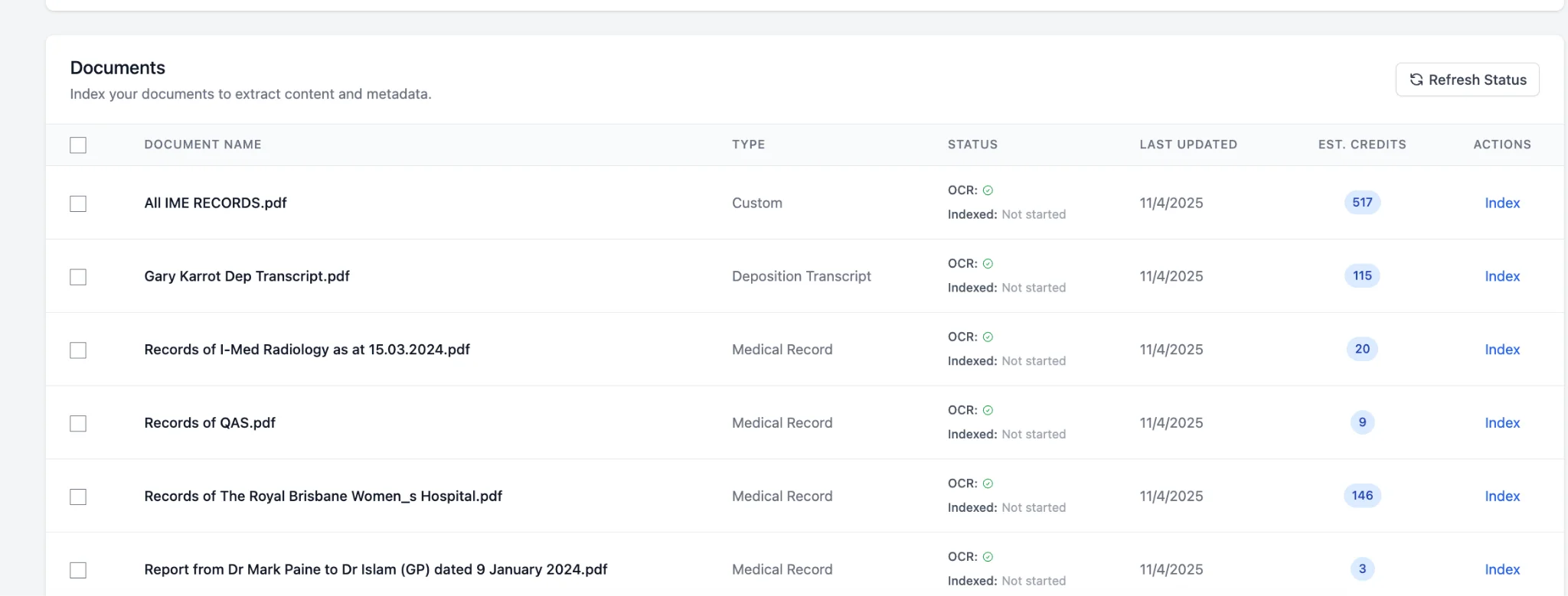
Files should be encrypted while stored and during transfer. Dodon.ai applies both automatically when you upload medical records, prepare deposition summaries, or generate chronologies. No configuration needed.
2. No Model Training on Your Data
Some tools retain prompts and outputs to train future models, creating unnecessary PHI retention. Dodon.ai works only with vendors that contractually agree to zero retention and do not use customer content for training. Once processed, the file is returned and removed. For a detailed breakdown of these vendor requirements, see how Dodon.ai protects data privacy when using LLMs.
3. US-Only Processing
Data residency matters. Dodon.ai’s enterprise configuration routes processing through US-only servers, keeping PHI under domestic privacy frameworks and reducing cross-border complications.
Least-Privilege Access: Controls Teams Can Apply Today
Even with strong vendor safeguards, exposure can occur during handoffs inside your organization. Least-privilege principles give you a defensible baseline.
- Role-based permissions - Attorneys working the matter need full access; support staff may only need delivery confirmation or metadata.
- Unique user accounts - Eliminate shared logins. Individual accounts create accountability.
- Time-limited access - Remove permissions when roles shift or a staff member leaves.
- Immediate revocation - At case close, revoke access to associated files instead of relying on future reviews.
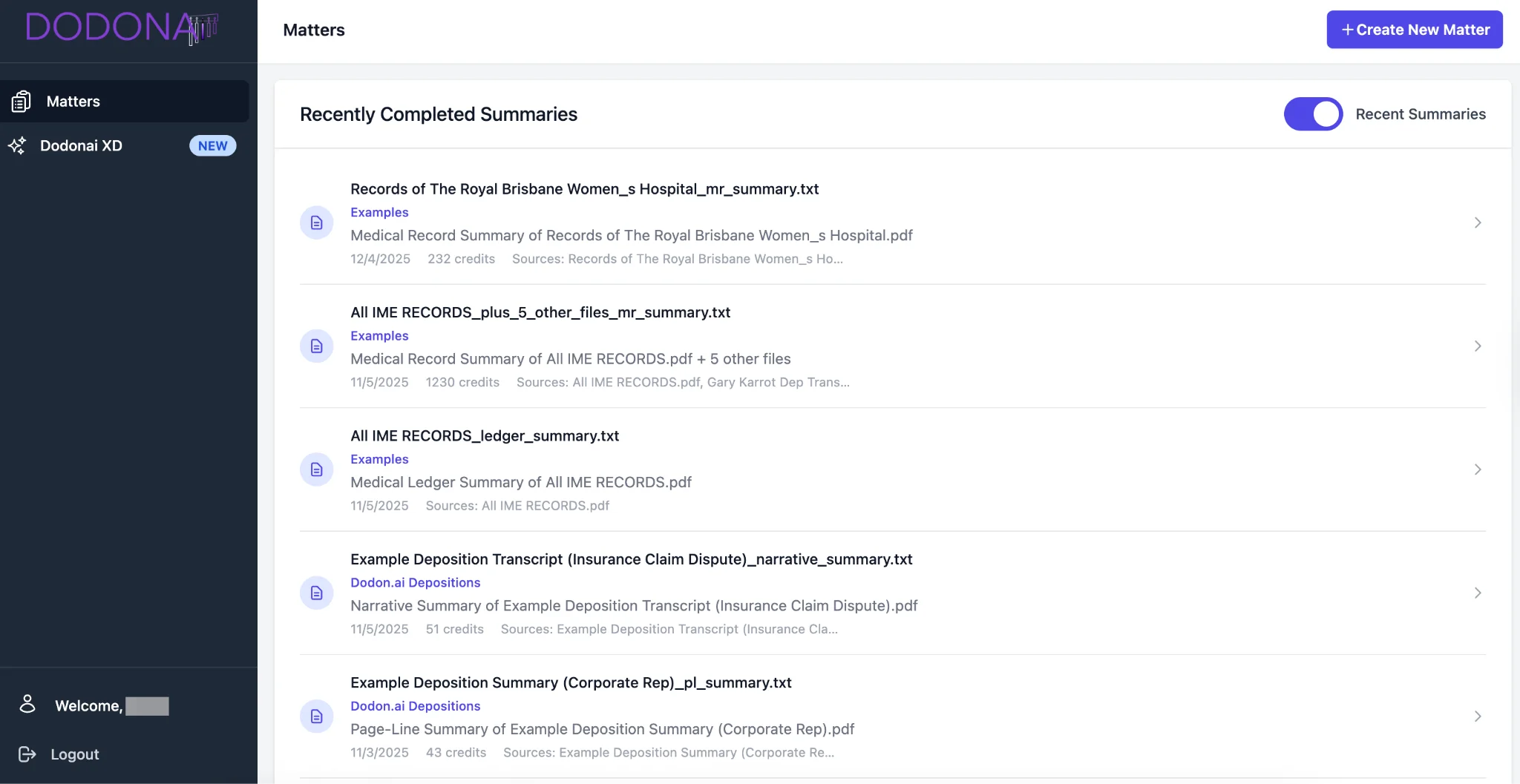
Dodon.ai’s environment isolates files per organization and ensures records never cross between accounts.
How PHI-Safe Handoffs Fit Into Daily Workflows
These practices integrate cleanly into standard litigation and med-legal scenarios.
Sharing chronologies with co-counsel
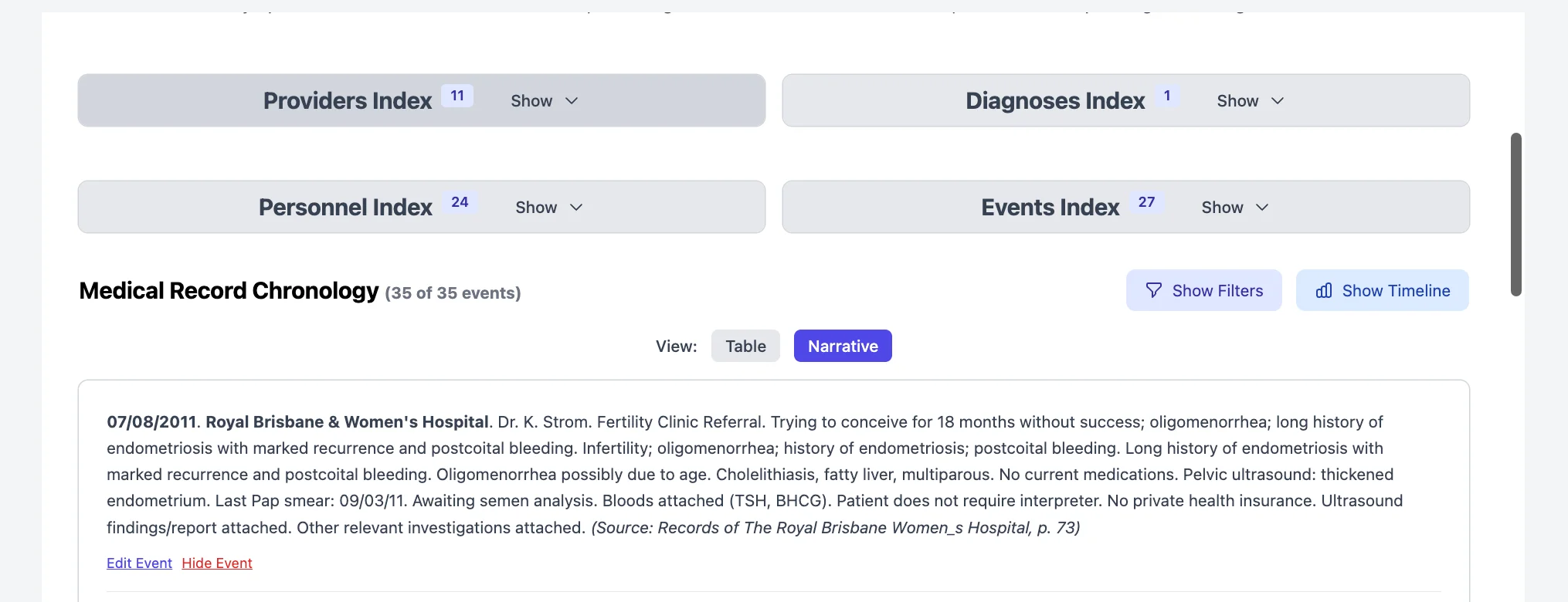
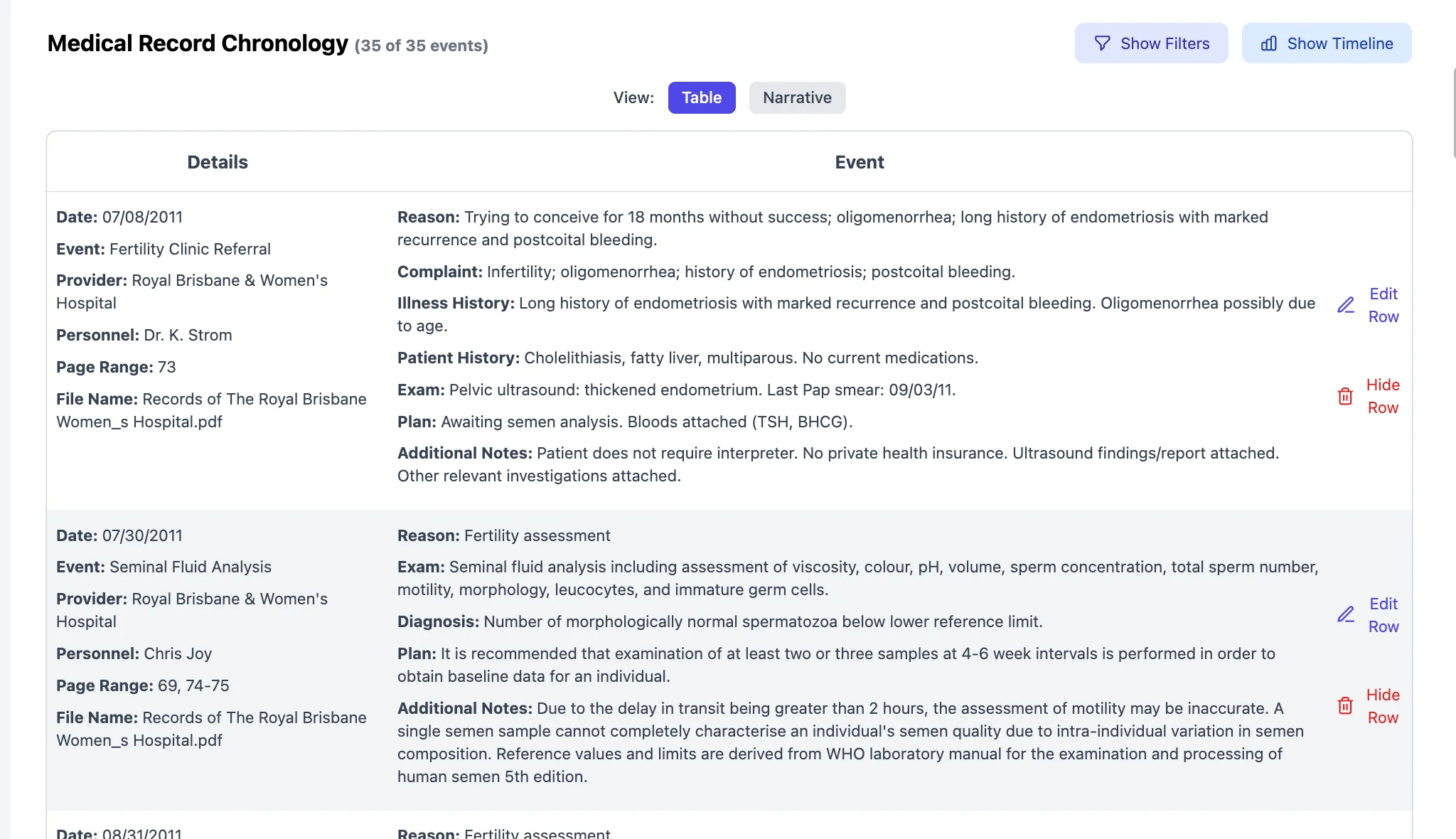
Export a structured chronology (Word, PDF, or TXT) with page-line citations. Use encrypted transfer methods rather than standard email attachments.
Sending deposition summaries to expert witnesses
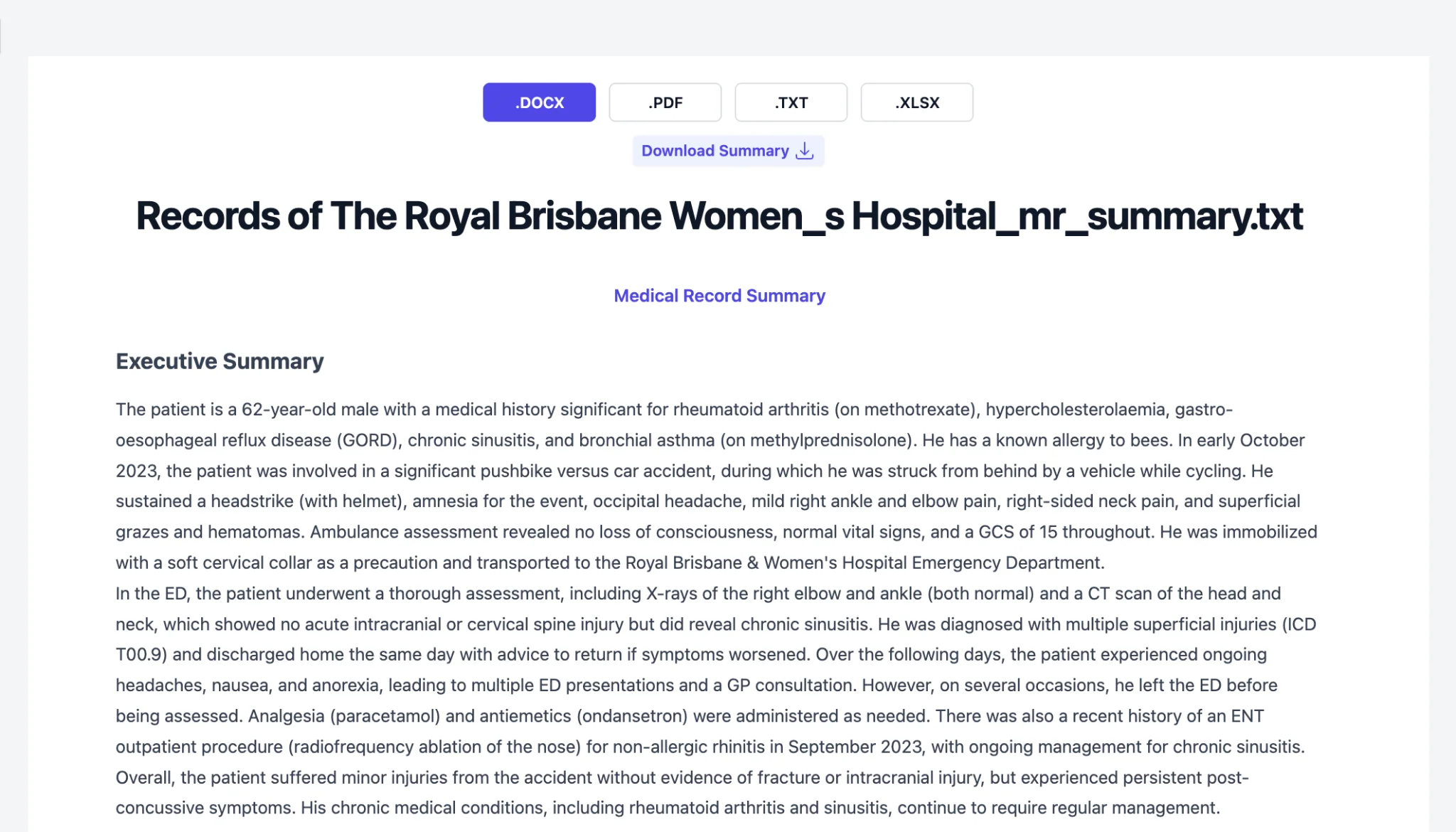
Generate page-line or narrative summaries, then share through a secure channel with view-only access. Revoke access at the end of the engagement.
Handoff to IME providers
Upload the record set, generate a chronology, and share only the essential portions required for opinion work. This limits unnecessary PHI exposure. Learn more about how IME companies use AI to streamline their workflows.
Beyond the Basics: What Dodon.ai Builds In
Dodon.ai incorporates safeguards that support compliance-minded legal and medical teams:
- SOC 2–aligned security practices that reinforce secure operational policies
- Business Associate Agreements when applicable
- Page-line citations that help with defensibility during audits
- Immediate deletion when users remove documents
- Accurate extraction from scans, handwriting, and mixed PDFs, reducing manual handling and errors
These controls protect PHI during processing, the point where AI-assisted workflows introduce the most scrutiny.
What We’re Not Promising
This guidance focuses on safeguards that materially reduce PHI exposure. It does not include features such as automatic link expiry or granular access logs for files sent outside the platform. Those depend on dedicated secure-transfer systems. Instead, Dodon.ai prioritizes protecting PHI during summarization itself and ensuring exports maintain encryption and access integrity.
A Practical PHI-Safe Handoff Checklist
- Confirm encryption at rest and in transit.
- Verify that your summarization tool does not retain or train on PHI.
- Keep processing within the US if required.
- Share only the minimum needed portion of the summary.
- Use encrypted transfer channels.
- Grant the least amount of access necessary.
- Remove access promptly at case transitions or closure.
- Document your handoff steps for audit readiness.
Start Strengthening Your Summary Workflows
Dodon.ai handles the technical protections automatically, encryption, zero retention, and US-only processing, so teams can focus on safe, efficient handoffs. Upload, review, export, and share knowing your workflow aligns with PHI-aware standards from start to finish.
Try Dodon.ai free for 7 days and experience secure, fast summarization designed for litigation and med-legal work.